Behavioral Training
Transform workplace behaviour through emotional intelligence, communication excellence, leadership development and interpersonal effectiveness.
Introduction to Behavioral Training
Building emotionally intelligent professionals who communicate, collaborate and lead with confidence.
Behavioral training is one of the most transformative tools an organization can use to shape not just how employees work but how they think, interact and grow.
Behavioral training focuses on developing soft skills, emotional intelligence and interpersonal behaviours that influence how employees engage with their work and colleagues. Unlike technical training which teaches “how to do”, behavioral training teaches “how to be”.
In today's diverse and dynamic workplace, behavioural skills are often the differentiator between good employees and exceptional professionals.
Core Development Areas
Communication
Improve workplace communication and collaboration.
Leadership
Foster accountability and leadership mindset.
Adaptability
Build resilience and adaptability to change.
Workplace Culture
Promote empathy, respect and inclusion.
Impact of Behavioral Training
Communication & Collaboration
Employees communicate effectively and work better as teams.
Emotional Intelligence
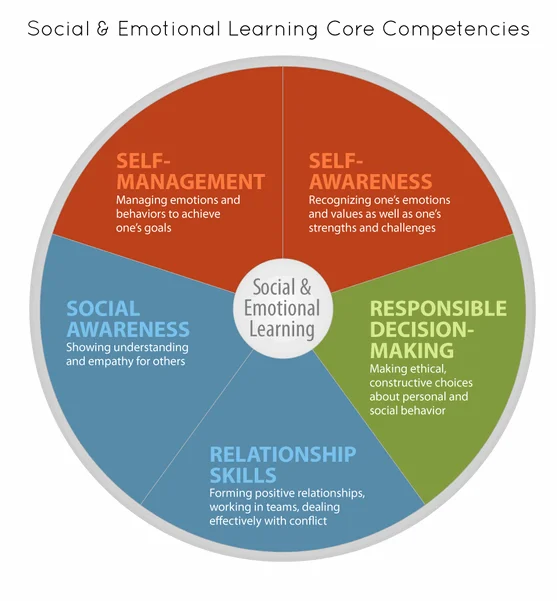
Improves self-awareness, empathy and decision making.
Leadership Development
Builds accountability and future leadership capabilities.
Stress Management
Helps employees manage workplace pressure effectively.
Conflict Resolution
Encourages healthier workplace relationships and teamwork.
Higher Engagement
Employees stay motivated and committed to organizational goals.