Leadership Training
Leadership training is one of the most transformative investments an organization can make in its people. It equips individuals to inspire, influence and drive meaningful change.
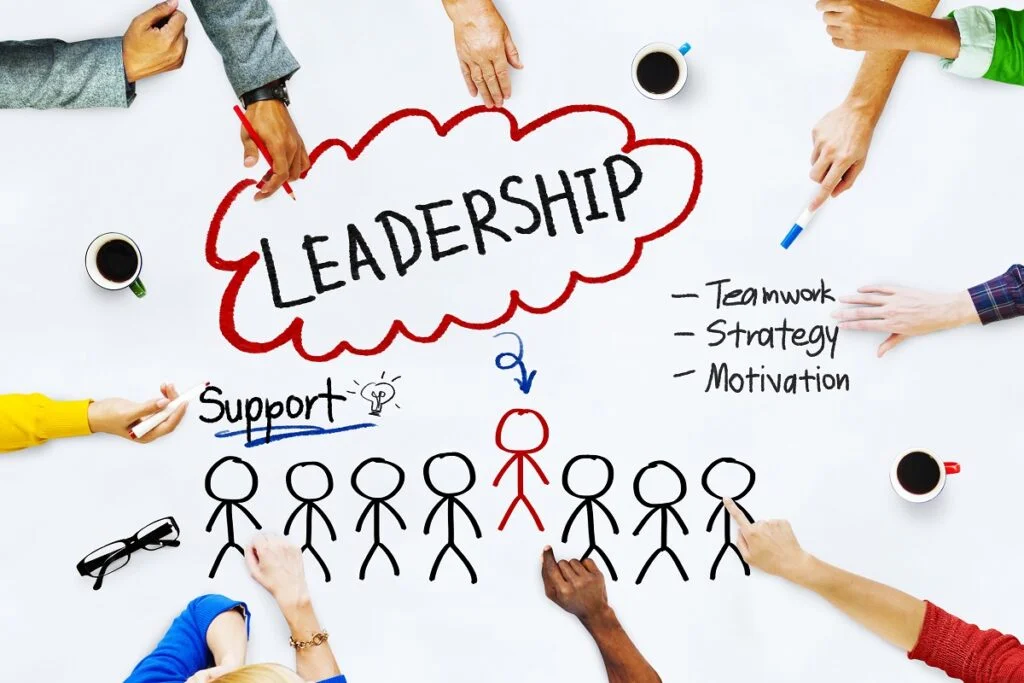
Introduction to Leadership Training
Empowering professionals with the mindset, confidence and capabilities required to inspire, influence and lead high-performing teams.
Leadership training is a structured development process that helps individuals build the skills, mindset and behaviors needed to lead teams, make strategic decisions and foster a positive work culture.
It’s not limited to those in formal leadership roles— any employee with the potential to influence others can benefit.
Key Goals
Self Awareness
Enhancing self-awareness and emotional intelligence.
Communication
Building communication and decision-making skills.
Strategic Thinking
Developing strategic thinking and vision-setting abilities.
Leadership Mindset
Cultivating resilience, adaptability and ethical leadership.
Impact of Leadership Training
Boosts Confidence & Ownership
Employees gain clarity in their roles and feel empowered to take initiative. They become more decisive and accountable.
Communication & Influence
Leaders learn to articulate vision, give feedback and listen actively, fostering trust across teams.
Emotional Intelligence
Training enhances empathy, self-regulation and interpersonal awareness.
Career Growth
Employees develop competencies that prepare them for promotions and cross-functional roles.
Team Performance
Trained leaders build cohesive and motivated teams through coaching and delegation.
Organizational Culture
Strong leadership promotes innovation, inclusion and continuous improvement.
Why Leadership Training Matters
According to recent studies, relationships with managers account for up to 86% of job satisfaction, making leadership training a direct lever for retention, engagement and long-term organizational success.
Introduction to Change Management
Helping employees embrace change, adapt faster and build resilient organizations through structured transformation strategies.
Change management is the structured approach to transitioning individuals, teams and organizations from a current state to a desired future state.
It is not just about implementing new systems or processes. It is about helping people embrace, adopt and sustain change.
Whether it is a shift in leadership, technology, strategy or culture, change management ensures that the human side of transformation is handled with care and intention.
Core Elements of Change Management
Preparing Employees
Preparing employees for change and helping them understand upcoming transitions.
Supporting The Transition
Providing guidance, communication and support throughout the entire change journey.
Reinforcing Behaviors
Reinforcing new practices and ensuring long-term adoption of organizational change.
Impact of Change Management on Employees
Reduces Resistance & Anxiety
Provides clarity and reassurance during organizational change.
Improves Engagement & Morale
Builds trust through transparent communication.
Enhances Productivity
Helps employees adapt faster with minimal disruption.
Builds Resilience
Encourages adaptability and a long-term growth mindset.
Strengthens Culture
Aligns employees with organizational vision and shared goals.
Lead Change With Confidence
If you are planning to implement change management, we would be happy to help design a customized training roadmap tailored to your organization's transformation journey.
Diversity & Inclusion
Creating workplaces where every individual feels respected, valued and empowered to contribute to organizational success.
Diversity and Inclusion (D&I) are strategic imperatives that shape how employees thrive, collaborate and innovate.
Diversity refers to the presence of differences in the workplace across race, gender, age, ethnicity, religion, sexual orientation, abilities and more.
Inclusion is about creating an environment where everyone feels respected, valued and empowered to contribute fully.
Diversity & Inclusion Goals
Culture Of Belonging
Foster a workplace where everyone feels valued and respected.
Diverse Perspectives
Leverage different viewpoints to drive innovation.
Equal Opportunities
Ensure fairness in opportunities and decision-making.
Impact On Employees
Enhanced Engagement & Morale
Employees who feel seen and heard are more motivated, loyal and engaged.
Better Collaboration & Innovation
Diverse perspectives lead to stronger creativity and problem-solving.
Talent Attraction & Retention
Inclusive workplaces attract top talent and improve retention.
Reduced Bias & Conflict
Encourages respectful dialogue and healthier workplace relationships.
Better Decision-Making
Diverse viewpoints challenge groupthink and improve decisions.
Cultural Competence
Helps employees work effectively across cultures, generations and backgrounds.
Build Inclusive Workplaces
Organizations that embrace Diversity & Inclusion perform better, attract top talent and build resilient teams that reflect the world they serve.
Executive Presence
Developing influential professionals who inspire confidence, communicate with clarity and lead with authenticity.
Executive presence is the ability to inspire confidence, command respect and influence others, often without saying a word.
It is not just about how someone looks or speaks. It is about how they carry themselves, communicate and connect with others.
Executive presence is essential not only for senior leaders but also for emerging professionals who aspire to lead, influence and make a lasting impact.
Key Traits Of Executive Presence
Confidence & Composure
Clear Communication
Gravitas & Credibility
Emotional Intelligence
Authenticity & Integrity
Impact Of Executive Presence
Confidence & Credibility
Employees project assurance and are trusted with greater responsibilities.
Communication & Influence
Employees communicate clearly and influence decisions effectively.
Leadership Effectiveness
Leaders motivate teams and earn respect through strong presence.
Career Growth
Employees are viewed as leadership-ready and promotable.
Organizational Culture
Builds professionalism, accountability and trust across teams.
Develop Influential Leaders
Executive presence helps bridge the gap between technical competence and leadership potential, enabling professionals to create lasting impact.
Performance Management
Empowering employees through continuous feedback, goal alignment and professional development.
Performance management is a continuous, strategic process that helps align individual goals with organizational objectives. It involves setting clear expectations, monitoring progress, providing feedback and fostering development.
Unlike traditional performance appraisals, modern performance management is ongoing, development-focused and collaborative, involving managers and employees as partners.
Its purpose is to create a culture of accountability, clarity and continuous improvement, where every employee understands their role in driving success.
Modern Performance Management
Ongoing Process
Continuous conversations and feedback rather than annual reviews.
Development Focused
Encourages growth, learning and continuous improvement.
Collaborative Approach
Managers and employees work together to achieve shared goals.
Impact On Employees
Clarity & Direction
Employees understand expectations and how their work contributes to business goals.
Continuous Feedback & Growth
Regular feedback encourages learning, adaptability and improvement.
Engagement & Ownership
Employees become more involved in goals and take responsibility for outcomes.
Career Development
Identifies strengths, skill gaps and opportunities for advancement.
Productivity & Accountability
Clear goals and KPIs drive performance and improve quality of work.
Well-Being & Job Satisfaction
Recognition and constructive feedback improve morale and reduce workplace stress.
Research Insight
According to research by CIPD, employees who experience systematic performance management report higher levels of task achievement, well-being and engagement compared to those without it.
Build A High-Performance Culture
If you are planning to roll this out, we would be happy to help design a customized curriculum and roadmap tailored to your organization's performance culture.
Project Management
Delivering successful projects through structured planning, collaboration and execution excellence.
Project management is the structured discipline of planning, executing and delivering initiatives within defined scope, time and budget.
It involves coordinating resources, managing risks and aligning stakeholders to achieve specific goals.
In today’s fast-paced business environment, project management is not just for project managers. It is a critical skill for employees involved in cross-functional work, innovation and strategic execution.
Key Elements Of Project Management
Project Objectives
Timelines & Milestones
Resource Allocation
Risk Management
Quality Monitoring
Impact On Employees
Planning & Prioritization
Employees learn to break complex tasks into manageable steps and use resources effectively.
Collaboration & Communication
Clear responsibilities and timelines improve teamwork and stakeholder alignment.
Accountability & Ownership
Employees understand their contribution and take responsibility for deliverables.
Reduced Stress & Burnout
Structured workflows and realistic timelines help reduce pressure and uncertainty.
Career Growth
Project management skills prepare employees for leadership and cross-functional roles.
Innovation & Agility
Teams adapt to change faster and embrace continuous improvement.
Why Project Management Matters
Project management training empowers employees with clarity, confidence and control over their work. It helps organizations execute initiatives efficiently, improve collaboration and achieve strategic goals.
Build High-Performing Project Teams
If you are planning to roll this out, we would be happy to help design a customized curriculum and roadmap tailored to your team's needs and organizational goals.