Core HR Trainings
Core HR trainings are essential for building a strong foundation in human resource management. They equip HR professionals with the skills and knowledge needed to handle the full employee lifecycle, ensure compliance and drive strategic initiatives.
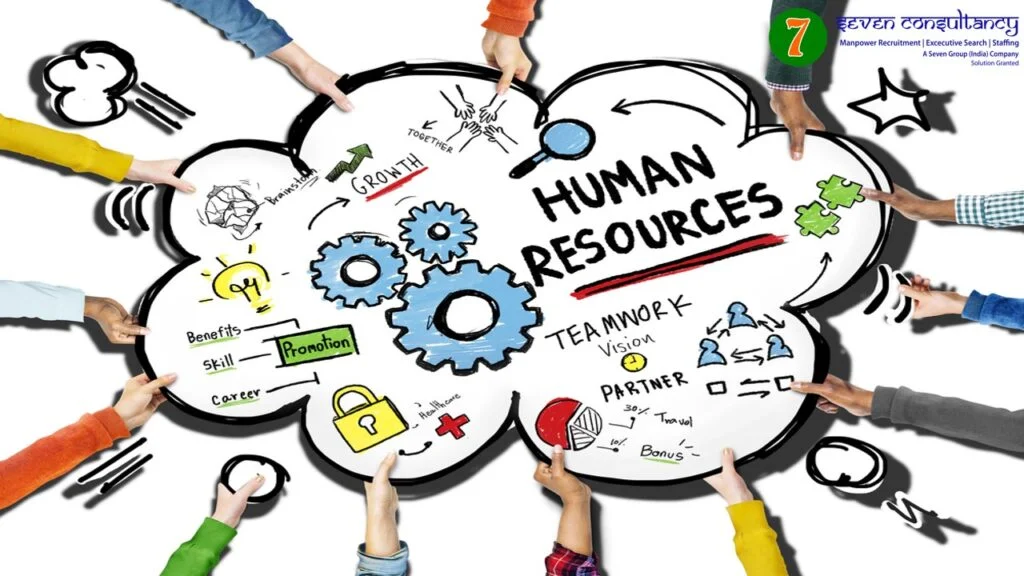
Core HR Training Categories
Recruitment & Talent Acquisition
- • Interviewing Techniques: Structured interviews, behavioral assessments.
- • Sourcing Strategies: Using job boards, social media and referrals.
- • Employer Branding: Positioning the company as a top employer.
Onboarding & Orientation
- • New Hire Integration: Cultural immersion, role clarity.
- • Compliance Training: Company policies, legal requirements.
- • Buddy Programs: Peer support for smoother transitions.
Performance Management
- • Goal Setting & KPIs: SMART goals, OKRs.
- • Feedback & Appraisals: 360-degree feedback, continuous performance reviews.
- • Coaching & Development: Manager training for employee growth.
Employee Relations
- • Conflict Resolution: Mediation techniques, grievance handling.
- • Workplace Ethics: Respect, inclusivity and fairness.
- • Engagement Strategies: Surveys, pulse checks, action planning.
Compensation & Benefits
- • Payroll Basics: Statutory compliance, salary structures.
- • Benefits Administration: Health insurance, retirement plans.
- • Total Rewards Strategy: Aligning rewards with performance.
HR Compliance & Labor Laws
- • Employment Law: Contracts, termination, harassment policies.
- • Health & Safety: Workplace safety standards, risk mitigation.
- • Data Privacy: Handling employee data securely.
HR Technology & Analytics
- • HRIS Training: Navigating systems like SAP, Workday, Zoho.
- • People Analytics: Using data for decision-making.
- • Digital Transformation: Automating HR processes.
Learning & Development
- • Training Needs Analysis: Identifying skill gaps.
- • Instructional Design: Creating effective learning programs.
- • Leadership Development: Succession planning, high-potential programs.
Induction For Management Trainees
For management trainees, Induction training programs are designed to help them quickly adapt to the organization, understand its culture and build the skills needed for future leadership roles. A well-structured induction program usually combines orientation, skill-building and experiential learning.
The goal is not just to familiarize trainees with the company but to accelerate their readiness for leadership responsibilities. A strong induction program builds confidence, reduces attrition and ensures trainees align with organizational goals.
Core Training Areas
Organizational Orientation
Introduction to company history, mission, vision, values, policies and organizational structure.
Compliance & Policies
Workplace ethics, code of conduct, HR policies, diversity, inclusion and legal requirements.
Functional Skills
Basics of finance, operations, marketing, HR and other key business functions.
Soft Skills Development
Communication, teamwork, negotiation, emotional intelligence and problem-solving.
Leadership Fundamentals
Decision-making, strategic thinking and people management fundamentals.
Technology & Tools
Digital platforms, project management tools and industry-specific software training.
On-The-Job Rotations
Department rotations, project assignments and shadowing senior leaders.
Mentorship & Feedback
Guidance from mentors, performance reviews and continuous feedback sessions.
Step-by-Step Induction Timeline
Orientation
Company history, mission, vision, HR policies and key leaders.
Functional Overview
Finance, operations, HR, marketing and departmental presentations.
Soft Skills Training
Communication, teamwork, critical thinking and presentations.
Leadership Exposure
Leadership styles, decision-making and conflict resolution exercises.
Job Rotations
Department rotations, project work and mentor interactions.
Technology & Tools
ERP systems, analytics software and digital transformation tools.
Capstone Project
Solve a real business challenge, present to leadership and receive evaluation.
Competency Mapping
Competency Mapping is a strategic HR process used to identify and assess the specific skills, behaviors and attributes required for employees to perform effectively in their roles. It helps organizations align talent with business goals, improve performance and plan development initiatives.
What Is Competency Mapping?
Defining Competencies
Knowledge, skills, abilities and behaviors critical for success in a role.
Assessing Current Capabilities
Evaluating employees against defined competencies.
Identifying Gaps
Highlighting areas for development or training.
Aligning Roles & Talent
Ensuring the right people are in the right roles.
Types of Competencies
Core Competencies
Essential for all employees such as communication.
Functional
Specific to a job or department such as coding skills.
Leadership
Required for managerial roles such as strategic thinking.
Behavioral
Soft skills like teamwork, adaptability and integrity.
Methods of Competency Mapping
Benefits of Competency Mapping
Real-World Impact
Imagine mapping competencies for a sales role. You define key traits such as persuasion, product knowledge and resilience. After assessing current team members, you discover that 40% lack resilience under pressure. A targeted training module is then designed to build mental toughness, resulting in improved sales performance and reduced burnout.
Should you be more interested in this area, write to us today.
Prevention of Sexual Harassment (POSH)
POSH is not just a legal checkbox; it is a cultural cornerstone for any respectful and inclusive workplace.
POSH stands for Prevention of Sexual Harassment. It stems from the Sexual Harassment of Women at Workplace (Prevention, Prohibition and Redressal) Act, 2013, enacted in India to safeguard women from sexual harassment at work.
What Is POSH Training?
Why Is POSH Training Necessary?
Legal Compliance
Organizations with 10+ employees must conduct regular POSH training sessions.
Awareness & Clarity
Helps employees understand acceptable and unacceptable workplace behavior.
Safe Workplace Culture
Encourages respect, inclusion and support for affected employees.
Reduces Incidents
Early recognition and reporting help prevent escalation.
Impact On Employees & Organizations
Employee Awareness
Clear understanding of rights and responsibilities.
Workplace Relationships
Builds trust, respect and stronger team dynamics.
Productivity
Reduces emotional distress and improves morale.
Organizational Reputation
Strengthens ethics, brand image and retention.
Legal Protection
Protects the organization from legal and reputational risks.
Inclusivity
Encourages equal treatment across genders and roles.
Best Practices For POSH Training
POSH Creates Safer Workplaces
POSH training shows that the organization cares about employees, which can increase job satisfaction, engagement and workplace trust.